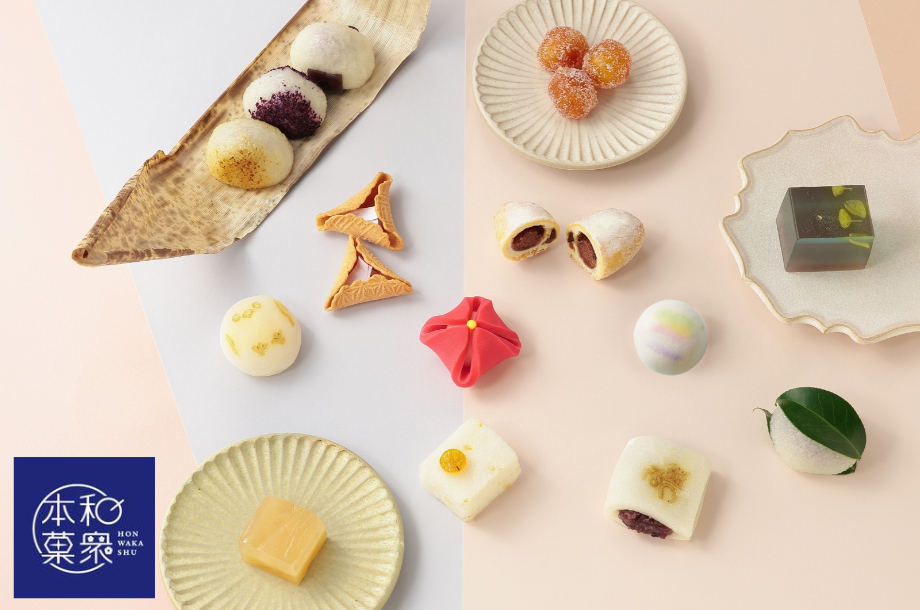
The Japanese confectionery mystery novel "Wagashi no An," which has sold over 1.2 million copies, will feature the Japanese sweets that appear in the story, brought together by artisans at Ginza Mitsukoshi. This will be a seven-day event where you can deepen existing connections and forge new ones through the medium of Japanese confectionery.
■ Event Overview Event Name: The 14th Honwagashi-shu "Honwagashi-shu x Wagashi no An"
Event period: November 18th (Wed), 2026 – November 24th (Tue), 2026
Venue: GINZA Stage, B2F, Main Building, Ginza Mitsukoshi
Products for sale: Wagashi (Japanese sweets) from various Honwagashi-shu shops, books, a special 2027 calendar, and more. ▼Ginza Mitsukoshi Shop News https://www.mistore.jp/store/ginza/shops/foods/foodgarden/shopnews_list/shopnews_075.html
■ The Japanese sweets featured in the story will be available at Ginza Mitsukoshi from Wednesday, November 18th!
"An of Wagashi," a novel by popular author Sakaki Tsukasa, is a mystery set in "Mitsuya," a Japanese confectionery shop in the basement of a department store, where the protagonist unravels mysteries related to Japanese sweets. The story depicts the work, daily life, and growth of the main character, Umemoto Anko (nicknamed An).
Since its publication in 2010, this popular series has depicted the depth and charm of Japanese confectionery through its stories, and has sold over 1.2 million copies in total.
On Wednesday, November 11, 2026, the latest book in the series, "Anne and Friends" (written by Sakaki Tsukasa, published by Kobunsha), was released. The latest book includes an episode set in Matsue City, Shimane Prefecture, and the Japanese sweets depicted in the book will also be available at this event.
The team "Honwakashu," comprised of young people from long-established Japanese confectionery shops across Japan, has been making the Japanese sweets featured in this story and delivering them to readers.
To commemorate the release of the latest book, a collaboration event between Honwagashū and Wagashi no An will be held at Ginza Mitsukoshi from Wednesday, November 18th to Tuesday, November 24th, 2026.
The venue will feature wagashi (Japanese sweets) that appear in the series' stories, each created by participating wagashi shops using their own skills and sensibilities. This is a special opportunity to see, choose, and taste the wagashi you encountered in the novels.
In addition to selling books from the series, we will also be selling a special 2027 calendar featuring Japanese sweets that appear in the story.
It's a 7-day event where you can encounter the world of stories and the charm of traditional Japanese sweets passed down by artisans across Japan.
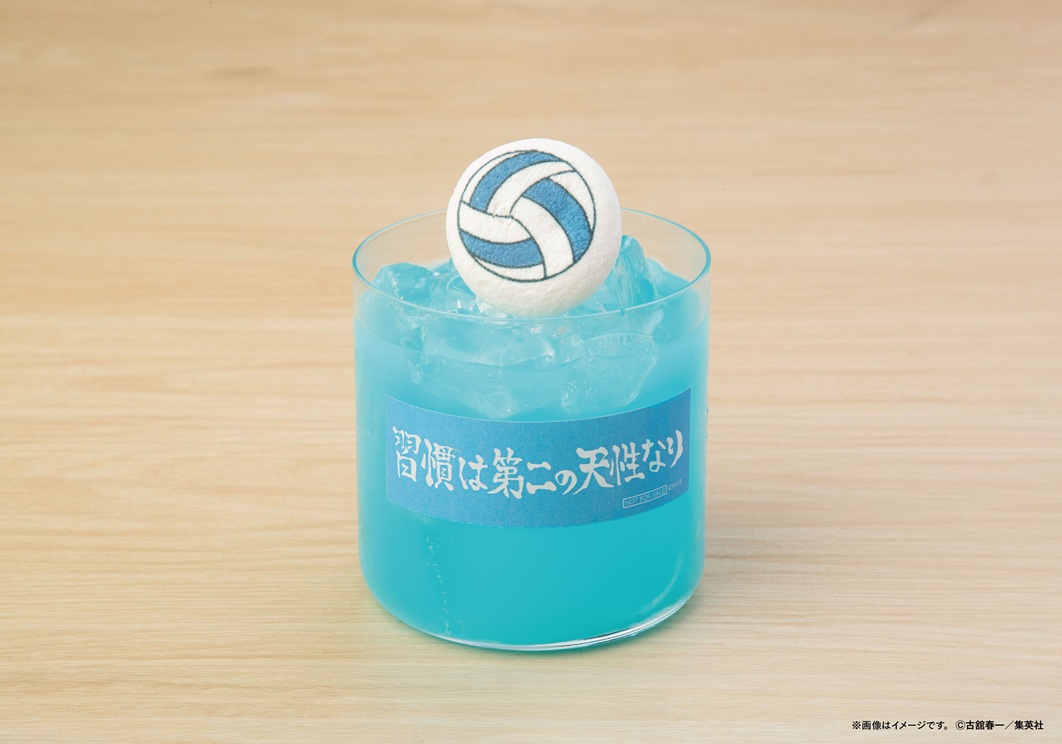
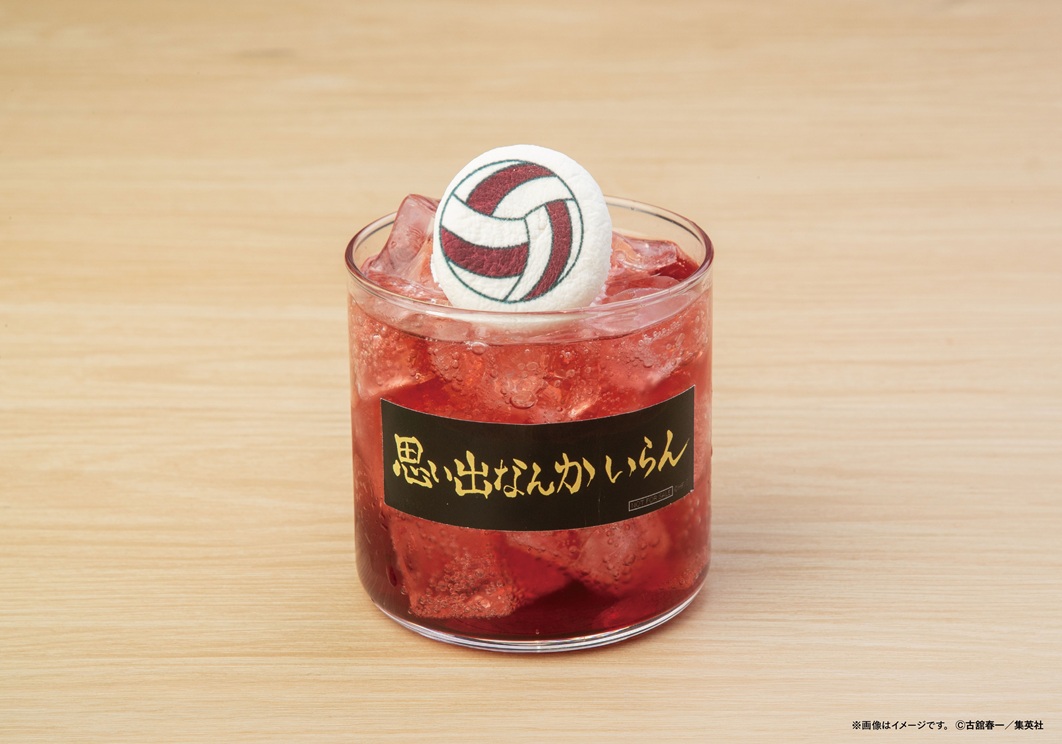
■Honwagashi-shu: Seven long-established Japanese confectionery shops gathered from all over Japan
Saiundo Confectionery (Matsue City, Shimane Prefecture)
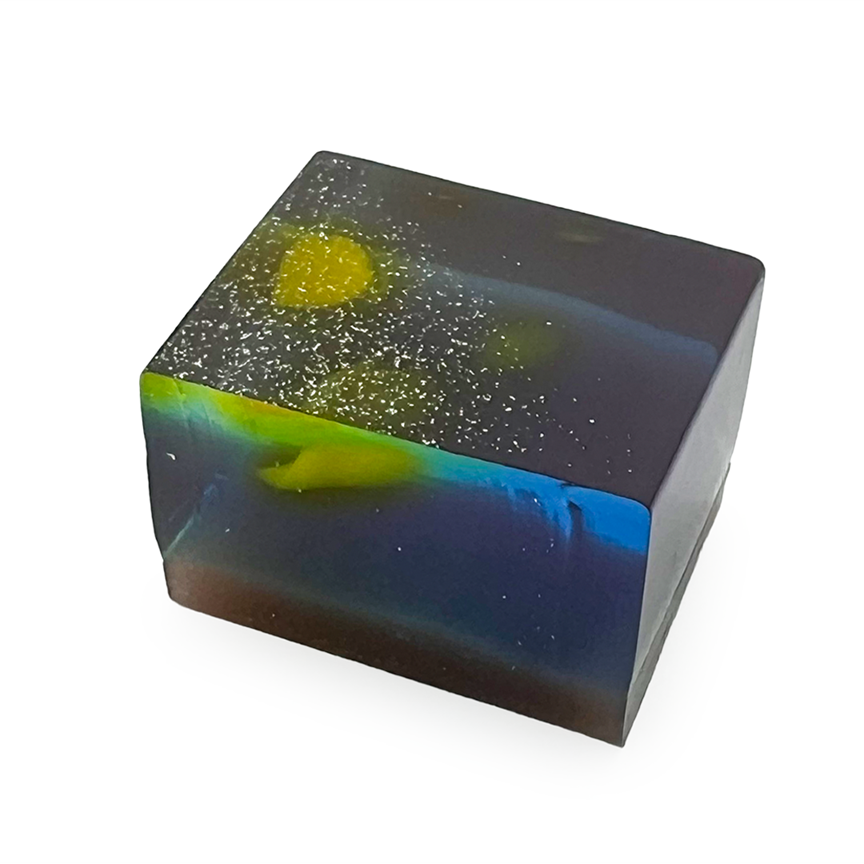
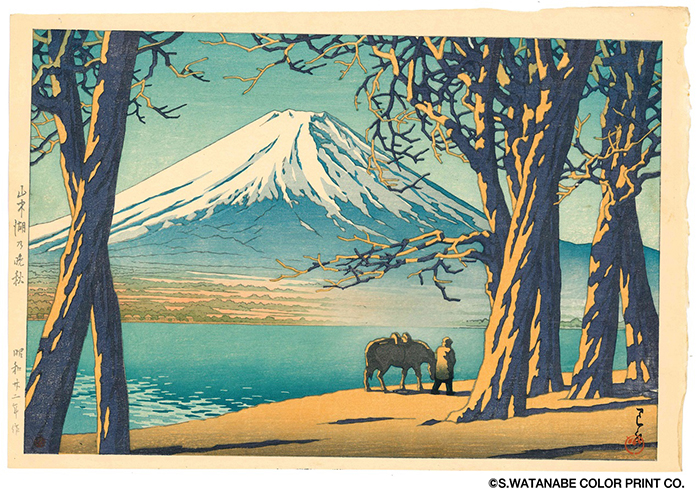
A long-established confectionery shop in Matsue, Shimane Prefecture, where the culture of the tea ceremony thrives. Saiundo, founded in 1874 in Matsue City, Shimane Prefecture, will recreate "Hotarubi," a confection that appears in the latest book, "Anne and Friends." It is a Japanese sweet made by layering yokan (sweet bean jelly) made from peeled red bean paste and kintama (a type of jelly). Mango yokan is floating inside the kintama.
Based on the hand-drawn illustrations by Mr. Sakaki Tsukasa, veteran craftsmen have faithfully reproduced them.
▼Saiundo Homepage
https://netshop.saiundo.co.jp/
Noshiume Honpo Satoya (Yamagata City, Yamagata Prefecture)
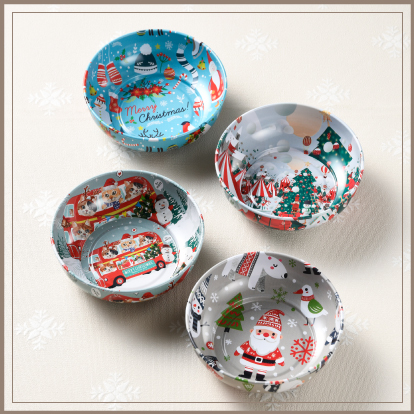
Founded in 1821, Noshiume Honpo Satoya is a long-established confectionery shop in Yamagata Castle town that makes Japanese sweets with the motto "a little bit of freedom in Japanese confectionery." The eighth-generation owner of Satoya, who is also a fan of the series, imagined being able to talk with fans about scenes from the work, saying, "Ah, this is that sweet!" and has created a variety of story-themed sweets that embody the fresh confections that appear in the series.
"Mikaibou" is a traditional Japanese New Year's confection made by "Master," a familiar character to fans of the series. Honey agar is wrapped in plum wine bean paste, and the design is a traditional motif representing an unopened plum blossom bud. This confection aims to recreate the "sensual" taste that is praised in the series.

▼Noshiume Honpo Satoya Homepage
https://satoya-matsubei.com/
Heiji Senbei Main Store (Tsu City, Mie Prefecture)
Heiji Senbei Honten, a shop located in the temple town of Tsu Kannon, one of Japan's three great Kannon temples, in Tsu City, Mie Prefecture, is exhibiting "Tsujiura," a rice cracker created in collaboration with Sakaki Tsukasa, the author of "Wagashi no An." The rice cracker resembles a Japanese-style fortune cookie that appears in the story, and contains a message from the original author, Sakaki Tsukasa.

▼Heiji Senbei Main Store Homepage
https://heijisenbei.com/
Kameya (Kawagoe City, Saitama Prefecture)
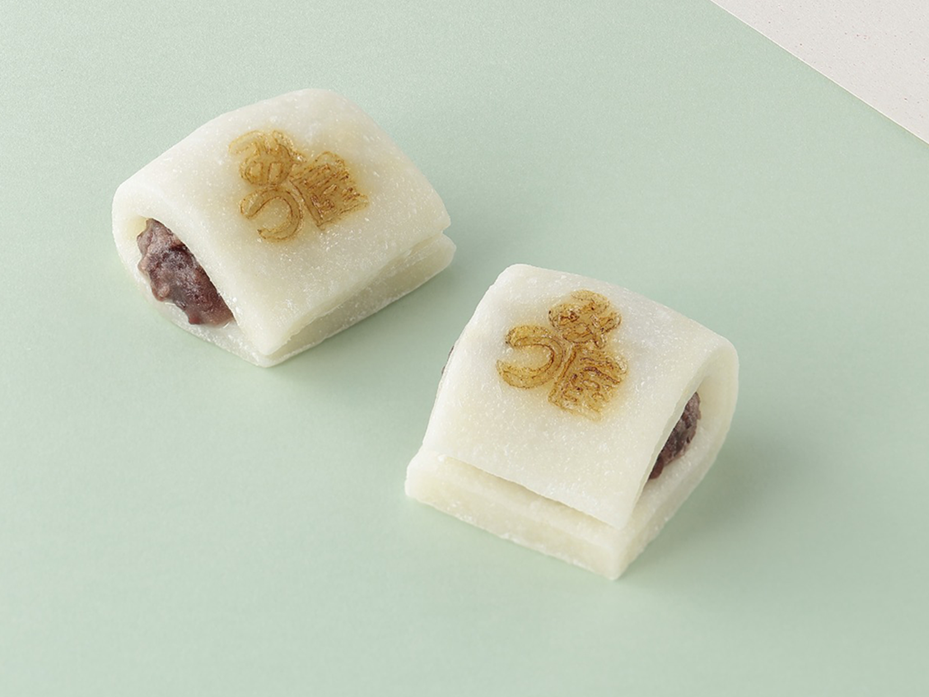
Founded in 1783, Kameya is a long-established confectionery shop deeply rooted in the historic town of Kawagoe. Since its founding, Kameya has served as a purveyor to the Kawagoe domain, and now they present "Mitsuya's Noshimochi Daifuku." This mochi is made from firmly pounded "Wataboshi" rice from Niigata Prefecture, and filled with sweet red bean paste. Enjoy the texture and flavor that Professor Sakaki Tsukasa described as "a mochi futon."
▼Kameya Homepage
https://www.koedo-kameya.com/
Kiyome Mochi Sohonten (Nagoya City, Aichi Prefecture)
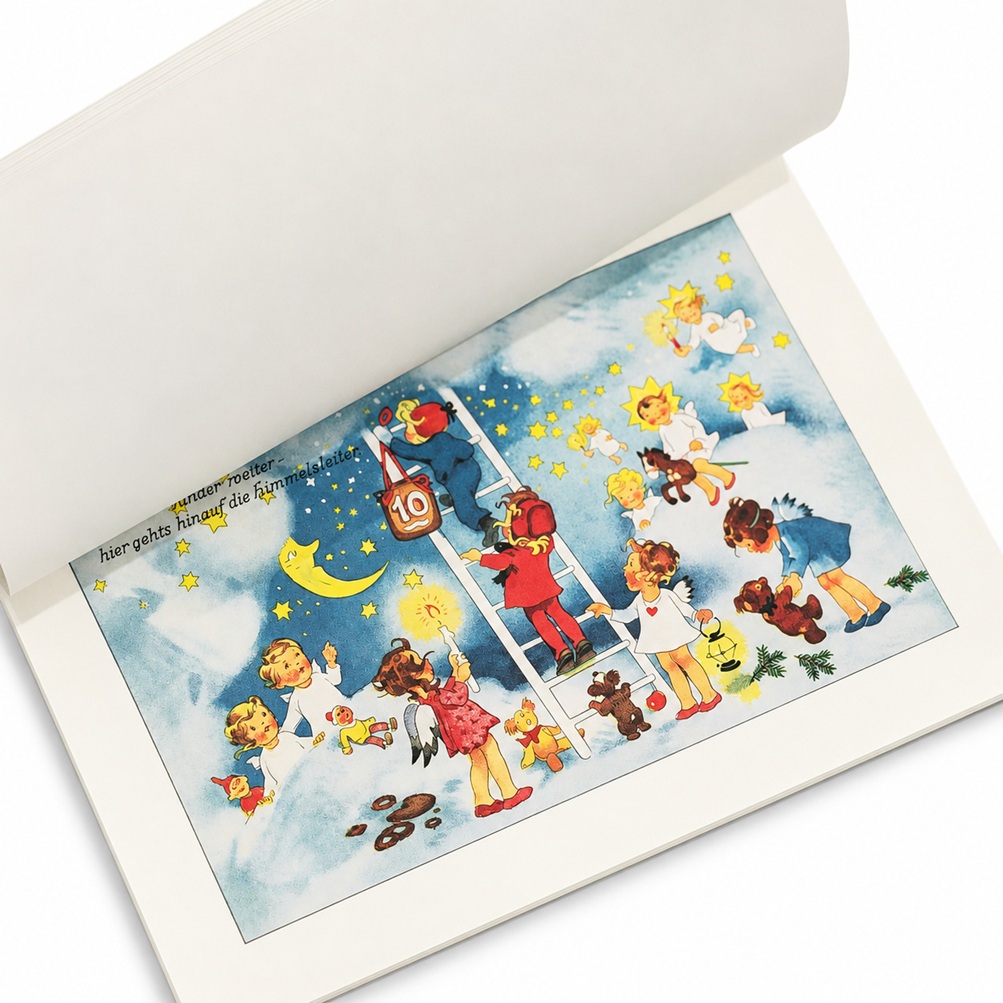
From Kiyome Mochi Sohonten in Nagoya City, Aichi Prefecture, which is popular for its "Kiyome Mochi" that is a favorite souvenir of visitors to Atsuta Shrine, comes "Goshiki Jōyo," a yam-based confection made with Ise yam dough and filled with Bitchu white adzuki beans. This yam-based confection is inspired by the story of Goshikinuma, which appears in the second book of the series, "Anne and Youth."
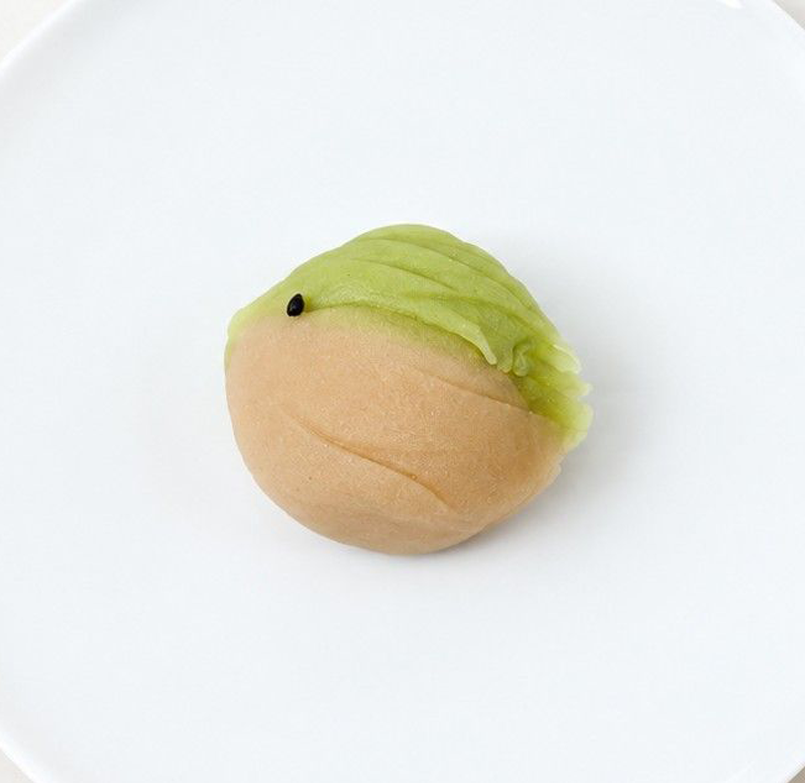
In addition, we offer fresh confections that allow you to enjoy the world of "Wagashi no An," including "Harutsugidori," which is made by wrapping sweet bean paste in yam paste made from Ise yam to represent a cute nightingale.
▼Kiyome Mochi Sohonten Homepage
https://www.kiyome-shop.net/
Mase Confectionery (Atami City, Shizuoka Prefecture)
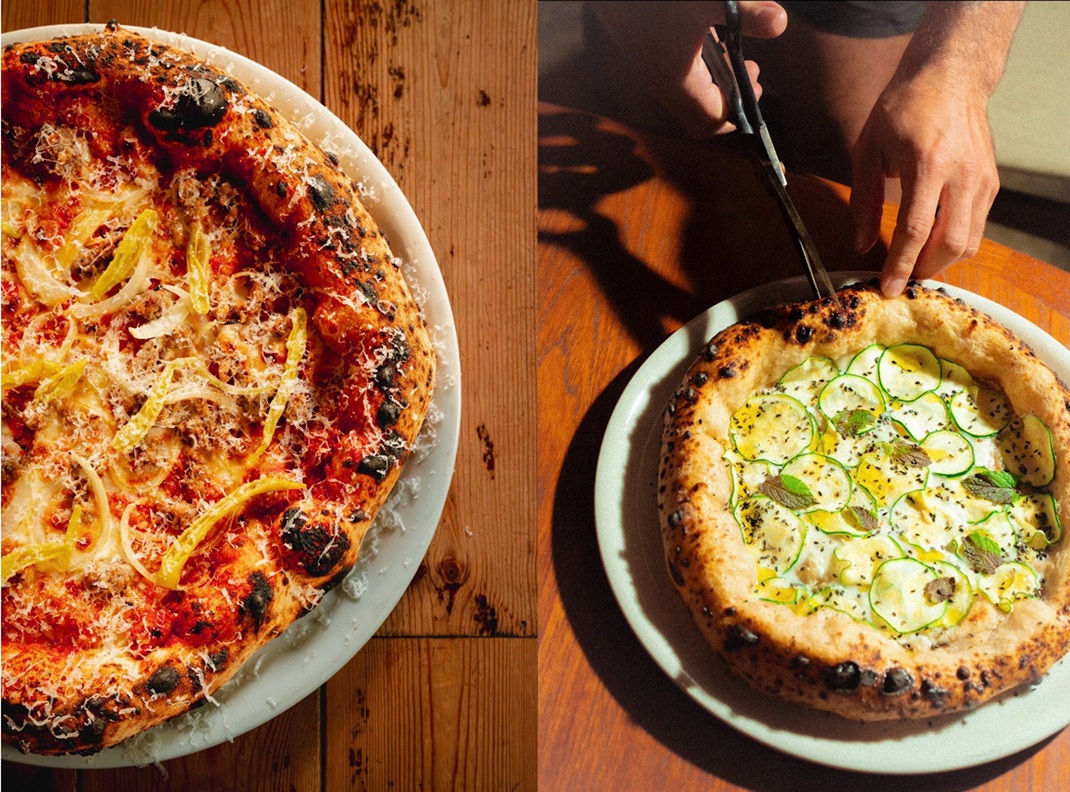
A long-established confectionery shop in Atami that reflects the local culture of Izu in its sweets. From "Kashiho Mase" comes "Kokoro," a confection made by hollowing out a kumquat preserve and filling it with white chocolate bean paste. The bitterness of the kumquat peel and the richness of the white chocolate bean paste go together perfectly. And then there's "Natsumikan," a steamed confection made with karukan dough and summer orange peel. It has a sophisticated taste with a hint of sake.
▼Mase Confectionery Homepage
https://www.mase-jp.com/
Fukagawa-ya Mutsu Daijo (Sekijuku, Kameyama City, Mie Prefecture)
From Fukagawa-ya Mutsu Daijo, a traditional Japanese confectionery shop that has been in business for approximately 380 years since the Edo period in Sekijuku, Mie Prefecture, the 47th post town on the Tokaido highway, comes the confectionery featured in "Anne and Happiness."
The tachibana, a citrus fruit native to Japan, is depicted in the portrait of Tajimamori, known as the god of Japanese confectionery. Tajimamori is enshrined as the deity at Tachibanamoto Shrine, which An-chan visited. Rare tachibana fruits were candied, filled with mochi sweets, placed in a paulownia wood box, and wrapped in a furoshiki cloth.
Tsubaki Mochi is said to be one of the oldest mochi confections in Japan. It is a simple sweet made by wrapping smooth bean paste in Domyoji rice dough and sandwiching it between camellia leaves.
▼Fukagawa-ya Mutsu Daijo Homepage
https://www.sekinoto.com/
■ Young leaders from long-established Japanese confectionery shops across Japan: "Tradition x Innovation 'Honwagashi-shu'"
~Cherishing the old, creating new Japanese sweets~
"Honwagashi-shu" is a team formed in 2013 by young people from confectionery shops that have been in business for over 100 years and are members of the National Association of Famous Confectionery Manufacturers (National Association of Famous Confectionery Manufacturers).
While cherishing the renowned confections and craftsmanship cultivated in each region, we have spread the appeal of Japanese sweets through ingredients, design, ways of eating, stories, and encounters with other industries.
Our challenge at Honwagashū is not just to preserve the taste of our signature products, but also to think together, experiment with, and propose new ways to enjoy Japanese sweets in the future. Confectioners from different regions and with different areas of expertise are joining forces.

■ The relationship that has unfolded with the novel "An of Japanese Confectionery"
The relationship between Honwagashū and the "An Wagashi" series began in 2016.
We have undertaken initiatives such as actually making and selling Japanese sweets that appear in novels, as well as providing authors with information on Japanese sweets, including their knowledge, culture, and manufacturing methods.
In 2016, the world of "Mitsuya," the Japanese confectionery shop featured in the story, was recreated in an actual store.
Since then, we have continued to collaborate with various works, bringing the Japanese sweets from the stories to life.
A craftsman who makes Japanese sweets and a writer who depicts Japanese sweets in his stories—by bringing together their respective knowledge and ideas, the world of novels and the actual culture of Japanese sweets have become connected, leading to a long-standing exchange.
(1) In April 2016, the fictional "Mitsuya" became a reality at the National Confectionery Exhibition.
From April 6th to 12th, 2016, at the 70th National Confectionery Exhibition held at Nihonbashi Mitsukoshi Main Store, sweets from the novels "Wagashi no Anne" and "Anne to Seishun" were recreated. As part of the National Confectionery Exhibition, young artisans from Honwagashi-shu and some of the participating shops ran the "Mitsuya" booth. This was not an event solely by Honwagashi-shu, but rather the starting point for later collaborations. Manju (steamed buns) bearing the "Mitsuya" brand mark from the novel, as well as "Korin Kiku" and "Hajimari no Kagayaki" were on display, attracting fans who waited before the store even opened and resulting in some items selling out.
(2) In October 2016, the collaboration between Honwagashi-shu and "Mitsuya" took place again at Ginza Mitsukoshi.
From October 12th to 18th, 2016, a special event in collaboration with the "Wagashi no An" series was held at "Jiyuan" in the basement of Nihonbashi Mitsukoshi Main Store. In addition to recreating sweets such as "Mikaikou," "Ajisai," and "Korin Kiku," the event featured confectionery demonstrations and an eat-in area. In April, after a customer commented that he "looked like the master," Satoya's eighth-generation owner, Sato Shintaro, appeared dressed as the character "Master" from the series. This playful performance, born from the shared interests of friends and fans, became a beloved feature that continued to be seen at subsequent events.
(3) On November 11, 2020, a new collaboration was held at Honwagashi-shu in Ginza Mitsukoshi to coincide with the publication of "Anne and Love".
From November 11th to 17th, 2020, Ginza Mitsukoshi's Honwagashi-shu collaborated again to coincide with the publication of "Anne and Love." Each shop recreated the sweets from the story, with Mikai Beni, Korin Kiku, and Jōyo Manju making a return. Online sales and demonstrations of how to make authentic warabi mochi were also incorporated, expanding the efforts to reach fans far away.

(4) To commemorate the publication of "Anne and Happiness" in 2023, a new work inspired by the four books in the series will be released.

■ In conjunction with the release of the latest book, "Anne and Friends," the collaboration will resume.
The latest book, "Anne and Friends," released on November 11th, features Japanese sweets depicted in the story, which will also be featured at this Honwagashi-shu event. The book also includes an episode set in Matsue City, Shimane Prefecture.
Title: Anne and Friends
Author: Sakaki Tsukasa Publisher: Kobunsha Release Date: November 11, 2026 ■ "An of Japanese Sweets" Series Special Website
https://special.kobunsha.com/wagashinoan/
■ Traditional Japanese sweets inspired by stories will brighten your year. A special 2027 calendar is also available for purchase.
At this event, we will also be selling a special 2027 calendar featuring Japanese sweets that appear in the "An's Japanese Sweets" series.
This calendar allows you to enjoy the various Japanese sweets depicted in the story, along with the changing seasons.
This project allows visitors to not only enjoy Japanese sweets at the venue, but also to become familiar with the world of the artwork and Japanese sweets throughout the year.
● Wagashi no An x Honwagashishu 2027 Calendar Postcard size (100mm x 148mm) Desk calendar 880 yen (tax included)
■ Event Overview Event Name: The 14th Honwagashi-shu "Honwagashi-shu × Wagashi no An"
Event period: November 18th (Wed), 2026 – November 24th (Tue), 2026
Venue: GINZA Stage, B2F, Main Building, Ginza Mitsukoshi
Products for sale: Wagashi (Japanese sweets) from various shops in the Honwagashi-shu series, books, a special 2027 calendar, and more.
▼Honwagashi-shu Special Website
https://honwaka-shu.netlify.app/
[From the press release of Saiundo Co., Ltd.]
<Related articles from the past>
Ginza Mitsukoshi is hosting the first ever gourmet event for "La Vite!", the "La Vite! Gourmet Festival".

